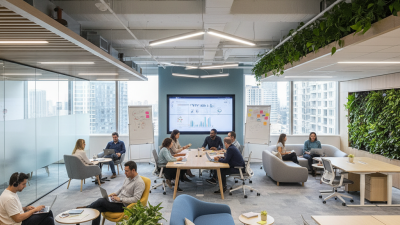

As organizations prepare for the future, the design of collaborative workspaces is evolving rapidly. Collaborative workspace design is essential for fostering innovation and teamwork. According to a report from Global Workplace Analytics, 70% of employees feel more productive in flexible office environments. Industry expert Dr. Sarah Thompson emphasizes, “The future of work relies heavily on spaces that enhance collaboration and creativity.”
However, as businesses embrace open office concepts, challenges arise. Noise distractions and lack of privacy can hinder productivity. A study by the International Facilities Management Association highlights that 54% of workers struggle with noise in shared spaces. Balancing collaboration and personal focus is crucial.
The design of these workspaces must prioritize adaptability. Flexibility allows organizations to adjust to changing needs. Creating environments that reflect employee preferences is vital. As trends unfold, companies must consider how to implement designs that encourage both teamwork and individual work. The challenge remains: how to create spaces that inspire collaboration while addressing the unique needs of each worker.
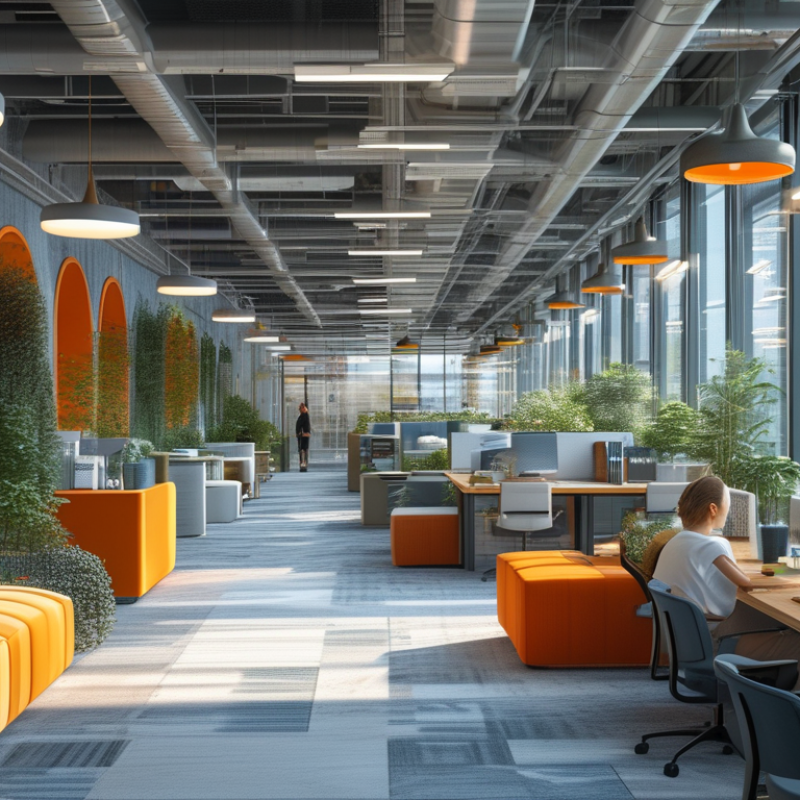
The rise of hybrid work models is reshaping collaborative spaces in unprecedented ways. As remote and in-office work blend, designers must prioritize adaptability. Teams often split time between home and shared offices. This requires spaces that accommodate both solitary work and collective brainstorming. Flexibility is no longer optional; it’s essential.
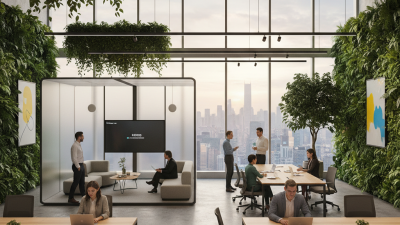
Open layouts are now integrated with private pods. These quiet zones foster focused tasks while maintaining accessibility for group discussions. Designers explore various seating arrangements, from casual lounges to formal settings. It's crucial to support diverse working styles. However, some employees may feel isolated, missing social interactions. Regular feedback from users can help optimize these shared environments.
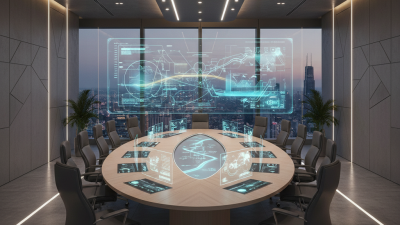
Technology also plays a key role in hybrid designs. Integrated screens and collaboration tools enhance communication. Yet, over-reliance on gadgets can detract from personal connections. Balancing tech use and human interaction is vital for effective collaboration. This ongoing experiment requires a willingness to adapt and reassess continuously.
This chart illustrates the projected trends in collaborative workspace design for 2026, focusing on the rise of hybrid work models. The data represents the percentage of organizations that plan to adopt various design elements to enhance collaboration and flexibility in the workplace.
Biophilic design is transforming modern workspaces. Research indicates that incorporating nature elements can significantly enhance employee well-being. A report by Human Spaces shows that 58% of workers feel more productive in environments enriched with natural elements. This design approach taps into our innate connection with nature, positively impacting mood and creativity.
Integrating greenery also fosters collaboration. Spaces that feature natural light and plants encourage interactions between employees. This can lead to innovative solutions and improved teamwork. According to studies, environments with abundant natural light boost productivity by up to 15%. Yet, creating these spaces requires careful planning. Not all workplaces can accommodate large windows or vast green areas. The challenge lies in finding the right balance.
While biophilic design offers substantial benefits, it isn't without its flaws. Some employees may feel distracted by excessive greenery or busy designs. The mismatched implementation can lead to stress rather than relief. Poor choices in plant selection could also lead to maintenance issues. Ultimately, it is vital to approach biophilic elements thoughtfully to ensure they genuinely enhance the workspace experience.
Smart technology is transforming modern workspaces, particularly through IoT integration. According to a report by McKinsey, companies that effectively leverage IoT technologies can increase productivity by up to 30%. These advancements enable real-time data analysis, enhancing decision-making processes. In collaborative spaces, IoT can streamline resource management. For example, smart sensors track room occupancy and adjust lighting and HVAC accordingly, ensuring optimal energy use.
However, despite the benefits, the implementation of IoT in workspaces can present challenges. Security concerns are paramount, as interconnected devices may expose companies to cyber risks. A study from Gartner indicated that over 50% of organizations face IoT-related security breaches. Additionally, staff may struggle with new technologies, resulting in underutilization. Creating a balance between adoption and training is essential for success. Engagement through workshops can help improve user proficiency and trust in these systems.
Furthermore, data privacy remains a critical issue. Employees often worry about surveillance through smart devices. Building transparent policies around data usage can foster a culture of trust. As organizations design future collaborative workspaces, addressing these concerns is key. A thoughtful approach to smart technology can enhance efficiency while maintaining employee satisfaction.
In 2026, flexible workspace layouts will prioritize adaptability. Companies increasingly recognize the importance of adjusting spaces according to team dynamics. The global workspace design market is projected to grow by 8.5% annually through 2025, reflecting this shift. With diverse teams, the need for various collaboration styles is critical. A controlled study found that teams increase productivity by 15% when working in adaptable environments.
Creating define zones can enhance collaboration. Moveable furniture helps teams create unique spaces for different projects. Use partitions to create focus areas. Customizable seating arrangements can support both brainstorming sessions and quiet work. However, it’s essential to regularly assess these configurations. What works now may not serve future needs. Regular feedback from team members is vital for ongoing improvements.
Consider the acoustics as well. As open spaces become the norm, sound control is often overlooked. Poor noise management can hamper productivity. Installing sound-absorbing materials can yield better collaboration results. Regular reviews can help identify effective design areas and those needing refinement. Remember, the goal is creating spaces that empower teams to thrive in a collaborative setting.
| Trend | Description | Impact on Collaboration | Popularity (% of users) |
|---|---|---|---|
| Flexible Layouts | Workspaces that can be easily reconfigured for different team needs. | Enhances teamwork by allowing adjustable setups. | 75% |
| Activity-Based Workspaces | Zones designed for specific activities (focus, collaboration, breaks). | Improves productivity by accommodating various work modes. | 68% |
| Biophilic Design | Incorporating natural elements to enhance well-being. | Fosters a calming environment that encourages creativity. | 62% |
| Technology Integration | Using advanced tools for seamless communication and project management. | Enhances collaboration through real-time connectivity. | 80% |
| Remote Collaboration Spaces | Designated areas for remote teams to collaborate effectively. | Bridges the gap between onsite and remote workers. | 55% |
The shift towards eco-friendly materials in workspace design is more than a trend; it reflects a growing understanding of sustainability. Use of recycled materials is gaining popularity. For instance, furniture made from reclaimed wood offers durability and a unique aesthetic. Such choices not only reduce waste but also breathe life into workspaces.
Bamboo and cork are emerging as favored sustainable materials. Bamboo grows rapidly and absorbs CO2 efficiently. Cork, harvested sustainably, provides excellent insulation. However, these materials can be more expensive than conventional options. This raises questions about balancing budget constraints with the desire for environmentally friendly design.
Implementing sustainable practices goes beyond materials. Energy-efficient lighting and smart systems are vital. They help reduce energy consumption and lower costs. Companies may struggle to fully adopt these technologies due to initial investment concerns. It's essential to reflect on the long-term benefits of these choices. Striving for a greener workspace requires ongoing commitment and adaptation.